
Speakers
Chris Rooper
Pacific Biological Station, Fisheries and Oceans Canada
Dr. Chris Rooper is a Research Scientist with Fisheries and Oceans Canada at the Pacific Biological Station in Nanaimo, British Columbia, Canada. His current research is focused on fish habitat, relationships of fish and invertebrates to ecosystem and climate drivers, as well as developing new methods to estimate and model the abundance and distribution fish and invertebrates. He has conducted fieldwork in a wide variety of ecosystems covering a large region of the northeastern Pacific: from Stalemate Bank at western edge of the Aleutian Islands, the Eastern Bering Sea, Gulf of Alaska and Prince William Sound, multiple areas of British Columbia, Washington, Oregon, the Channel Islands in California, and seamounts in international waters. Dr. Rooper has worked with colleagues in Canada, Alaska, and the U.S. West Coast to apply advanced technologies to conduct in situ habitat research. Chris is also the Chair of the North Pacific Fisheries Commission Bottom Fish and Marine Ecosystems Small Scientific Committee, and has been working with international colleagues on fisheries beyond national jurisdictions. In PICES, Chris is currently a co-Chair of the joint PICES-ICES Working Group on Small Pelagic Forage Communities (WG53/WGSPF), a member of the FIS Committee, as well as a member of past and ongoing expert groups on seamounts and biogenic habitats.
Hyung-Gyu Lim Chonnam National University, Korea
Hyung-Gyu Lim was the recipient of the 6th Zhu-Peterson Award for Early Career Scientists at the 2025 PICES Annual Meeting. Dr. Lim is a Research Scientist at the Chonnam National University. He completed his Ph.D. in climate dynamics from Pohang University of Science and Technology (POSTECH) in 2019. His primary research interests focus on the critical interaction and predictability of climate and marine ecosystems. Recognized for his contributions and promising potential to be influential within the scientific community and the PICES organization, Dr. Lim has made significant impacts through both his active scientific participation and his dedicated support for other early career scientists. He has regularly presented his research at PICES Annual Meetings in 2015, 2017, and 2023. Further recognition came when he won both the best oral and best poster ECOP Presentation Awards at PICES-2022.

Meaghan Efford University of British Columbia, Canada
Dr. Meaghan Efford is an archaeologist and historical ecologist whose research advances scientific understanding of people–place relationships across centennial and millennial timescales. Her transdisciplinary, community-engaged research integrates archaeology, ecology, modelling, and multiple ways of knowing to reconstruct ecosystem change through time and illuminate its enduring impacts. Her work in service to Tsleil-Waututh Nation supported the Nation’s Cumulative Effects Monitoring Initiative, and her previous work contributed to a coastal archaeology and historical ecology project with Huu-ay-aht Nation and Tseshaht Nation. An award-winning science communicator, Dr. Efford leads the innovative EcoPast research program, which is helping shift ecosystem modelling toward incorporating diverse knowledge systems and data on past ecosystem states to understand the ecological legacies of settler colonialism.
BIO/POC/AP-UNDOS Topic Session
Advancements in Digital Twins applications for evaluating climate change solutions
Fei Chai College of Ocean and Earth Sciences, Xiamen University; Fujian Ocean Innovation Center, China
Session 1 Invited Speaker
Prof. Fei Chai received his Ph.D. in Biological Oceanography from Duke University in 1995. He currently holds the Tang Shifeng Chair Professorship at Xiamen University and serves as Deputy Director of the Fujian Ocean Innovation Center. His research centers on physical–biogeochemical and ecological dynamics. He has developed coupled ocean physical-biogeochemical models that provide essential tools for simulating and predicting marine environments and ecosystems. By integrating BGC-Argo and in-situ measurements with satellite remote-sensing data, his team has revealed the effects of mesoscale physical processes and extreme events on upper-ocean ecosystems. Prof. Chai holds several leadership positions in international marine science initiatives, including Co-Chair of the UN Ocean Decade Digital Twins of the Ocean (DITTO) programme, Vice Chair of the Northwestern Pacific Ocean Circulation and Climate Experiment (NPOCE), Scientific Committee Member of the BGC-Argo Program, and Co-Chair of the OceanObs'29 Program Committee.
Patrick Lehodey Mercator Ocean internationa, France; Pacific Community, Noumea, New Caledonia
Session 1 Invited Speaker
Dr Patrick Lehodey is expert scientist in marine ecosystem and fish population dynamics modelling working at Mercator Ocean international, Toulouse France, and for the Pacific Community Fisheries, Aquaculture and Marine Ecosystems programme. Patrick Lehodey’s interests include the modelling of ocean ecosystems and the management of marine resources under the combined impacts of fisheries, climate variability and climate change. He was a member of the Scientific Steering Committee of GLOBEC (2000-05) and co-chair of the GLOBEC/CLIOTOP (Climate Impacts on Oceanic Top Predators) program until 2010. He contributed to the development of a fish and ecosystem model (SEAPODYM) used to project the impact of climate variability and climate change on large (tunas) and small (anchovy, mackerel) pelagic species and their fisheries, as well as the zooplankton and micronekton functional groups of the oceanic ecosystems.
Anna Sulc University of Washington, USA
Session 1 Invited Speaker
Anna Sulc is an Interdisciplinary Ph.D. student at the University of Washington working at the intersection of fisheries, marine policy and oceanography. Her research focused on expanding a climate-enhanced age-based model with temperature-specific trophic linkages and energetics (CEATTLE) to include Northern Fur Seal (Callorhinus Ursinus) bioenergetics and population dynamics. These additions will allow for exploration of management tradeoffs under future ocean conditions given the importance of the predator-prey interactions between Northern Fur Seals and commercially important fish like Walleye Pollock (Gadus Chalcogrammus). Anna is supervised by Dr. Kirstin Holsman and Dr. André Punt and is part of the Alaska Climate Integrated Modeling (ACLIM) project.
MEQ/ POC/ FUTURE/ AP-UNDOS Topic Session
Climate Extremes and Coastal Impacts in the Pacific
Xinru Li Tohoku University, Japan
Session 2 Invited Speaker
Dr. Xinru Li is an Associate Professor at the Advanced Institute for Marine Ecosystem Change, Tohoku University, Japan. She completed her Master at Simon Fraser University and received her PhD from the University of British Columbia. Her research has long been driven by a commitment to advancing scientific understanding of how climate change affects the global ocean, and how insights from the ocean can inform mitigation and adaptation strategies that support effective climate policymaking while safeguarding ocean health and sustainability. Drawing on high-resolution observations and a hierarchy of global climate models, her work focuses on understanding how anthropogenic climate change affects global ocean environments, particularly the anomalously extreme conditions (e.g., ocean temperature extremes known as Marine Heatwaves) and their ecological impacts. She is a full member of the SCOR Working Group on Subsurface Marine Heatwaves (SubMHW-WG) and also an ECOP member of the Western Pacific and the Marginal Seas of South and East Asia Regional Team of the UN OceanPrediction DCC.
FIS/ POC/ FUTURE/ Topic Session
Ocean and ecosystem predictions to support decision making
Tabitha Grace Mallory Founder, China Ocean Institute; Jackson School of International Studies, University of Washington, USA
Session 3 Invited Speaker
Tabitha Grace Mallory is Founder and CEO of the China Ocean Institute and Affiliate Professor of the University of Washington Henry M. Jackson School of International Studies. Dr. Mallory specializes in Chinese foreign and environmental policy. She conducts research on China and global ocean governance and has published work on China’s fisheries and oceans policy. Dr. Mallory has consulted for organizations such as the World Wildlife Fund, the World Bank, and the Organisation for Economic Co-operation and Development (OECD). She previously served as a postdoctoral research fellow in the Columbia–Harvard China and the World Program, and has also worked for The National Bureau of Asian Research and for the U.S. Congressional–Executive Commission on China (CECC). Dr. Mallory holds a Ph.D. (with distinction) in international relations from the Johns Hopkins University School of Advanced International Studies (SAIS). She is a member of the National Committee on U.S.–China Relations.
Claire Spillman Bureau of Meteorology, Australia
Session 3 Invited Speaker
Dr Claire Spillman is a Principal Research Scientist and leads the Seasonal and Marine Applications Team in Research at the Bureau of Meteorology, Australia. Her current research is focused on seasonal forecasting for marine applications, particularly marine heatwave prediction, coastal hazards, and coral reef, aquaculture and fisheries management. Translation of transdisciplinary science to support decision-making for real world impact is a key area of contribution.
Dr Spillman is a Partner Investigator in the Future Oceans Centre for Excellence, a member of the IMOS Science and Technology Advisory Committee and Event-based Sampling Facility, and was the Australian representative on the WMO Subseasonal to Seasonal (S2S) Project Steering Committee. She is frequently called on to give national briefings, provide expert scientific advice and contribute to government and industry.
HD/MEQ Topic Session
Pathways and process towards sustainable urban oceans where humans and nature co-exist
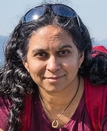
Anuradha Rao səlilwətaɬ (Tsleil-Waututh Nation), Canada
Session 4 Invited Speaker
Anuradha Rao is the Senior Environmental Specialist-Marine Ecosystems on staff with Tsleil-Waututh Nation, and has managed the collaborative project to update the Water Quality Objectives for səlilwət (Burrard Inlet). She is a Registered Professional Biologist, writer and facilitator. She has worked on research, conservation, mapping, planning, policy, restoration and stewardship projects across Canada and in 12 other countries. She is the author of the book One Earth: People of Color Protecting Our Planet (Orca, 2020) and has authored or co-authored more than 60 other technical and popular works.
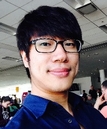
Jaehwan Seo Korea Institute of Ocean Science and Technology (KIOST), Korea
Session 4 Invited Speaker
Dr. Jaehwan Seo is a Senior Research Scientist at the Tongyeong Maritime Test and Evaluation Station of Korea Institute of Ocean Science and Technology (KIOST) and an Associate Professor in the Marine Technology and Convergence Engineering at University of Science and Technology (UST). His research focuses on the physiology, ecology, and ecological functions of marine macroinvertebrates in Korean coastal ecosystems, including climate change-induced changes in macroinvertebrate communities and carbon sequestration driven by bioturbation. His research integrates field observations, laboratory experiments, remote sensing, and artificial intelligence to improve the understanding and monitoring of coastal benthic ecosystems. More recently, he has been integrating visual data acquired from unmanned platforms with artificial intelligence to quantify the spatial distribution and ecological functions of marine macroinvertebrates.
MONITOR Topic Session
Using ecosystem-scale information and machine-learning modeling approaches to understand climate change impacts on transboundary species in the North Pacific
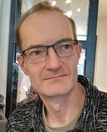
Mikko Heino University of Bergen, Norway
Session 5 Invited Speaker
Mikko is currently a professor at the University of Bergen, Norway, and a visiting researcher at the Okinawa Institute of Science and Technology (OIST), Japan. He has also spent longer periods at the International Institute for Applied Systems Analysis (IIASA), Austria, and at the National Taiwan University, Taiwan. He was trained as an evolutionary and population ecologist at the University of Helsinki, Finland. After moving to Norway in 2001, first to the Institute of Marine Research and then to the University of Bergen, he has worked at the intersection between fisheries science, life-history theory, and population ecology – with fisheries providing a data-rich and practically relevant playing ground for both fundamental and applied research. He is interested in how organisms adapt to their environment, with adaptation of fish to exploitation (i.e., fisheries-induced evolution) being a prime example. He is also interested in how humans interact with ecological systems, such as how climate change is shaping our interaction with exploited fish stocks. To these ends, he has been using both theoretical, statistical, and experimental approaches.
BIO/POC Topic Session
From Ocean Acidification to Ocean Alkalinity Enhancement: Their relationship and differences
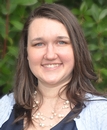
Jessica Cross Pacifc Northwest National Laboratory, USA
Session 6 Invited Speaker
Dr. Jessica Cross is a chemical oceanographer whose research focuses ocean carbon chemistry, including marine carbon dioxide removal (mCDR). She frequently partners with local communities, private companies, and other federal agencies to implement effective CDR projects. Dr. Cross was a federal researcher at NOAA’s Pacific Marine Environmental Laboratory where she oversaw the Alaska regional carbon monitoring program founded NOAA’s Carbon Dioxide Removal Task Team, and served as the lead author of NOAA’s CDR Research Strategy. Her research has earned multiple honors and awards, including three Bronze Medals for federal service. Jessica holds a PhD in Chemical Oceanography from the University of Alaska, Fairbanks and a BS in Chemistry from Rhodes College. In her spare time, Jessica reads voraciously, hikes occasionally, and tends a small, bee-friendly garden from her home in Seattle.
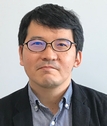
Akira Iguchi National Institute of Advanced Industrial Science and Technology, Japan
Session 6 Invited Speaker
Akira Iguchi is the research team leader of the Natural Capital Diagnosis Technology Research Team at Integrated Research Center for Nature Positive Technology of the National Institute of Advanced Industrial Science and Technology (AIST), and concurrently serves as the research group leader of the Marine Geo-Environment Research Group within the Geological Survey of Japan, AIST. His research aims to systematically elucidate the details of the diverse phenomena woven by organisms and the environment, and to derive new discoveries and applications by examining these details from a bird’s-eye view across various scales. Currently, as a principal investigator of a JST-CREST project, his team aims to develop nature-positive decarbonization technologies that maximize the ocean’s potential by establishing a methodology for neutral comparative evaluation that goes beyond conventional NETs technologies through the refinement of detailed environmental impact assessment techniques and ocean NETs.
BIO/HD Topic Session
Oceanographic change and predator–prey dynamics: Emerging drivers of human–wildlife conflict
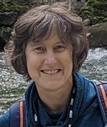
Ruth Joy Simon Fraser University, Canada
Session 8 Invited Speaker
Ruth Joy is a Marine Ecologist in the School of Environmental Science and Adjunct Professor in the Department of Statistics at Simon Fraser University. Her research sits at the intersection of ecology, statistics, and conservation, with a strong emphasis on using quantitative methods to inform marine conservation.
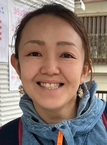
Hiroko Sasaki Fisheries Research Institute, Japan
Session 8 Invited Speaker
Hiroko Sasaki is a senior researcher at the cetacean group of the Japan Fisheries Research and Education Agency (FRA). Since she was a graduate student at Hokkaido University, she has been participating the research on habitat modelling for whales and presenting her findings at the PICES annual meetings since 2008. Having completed her Ph.D. in 2013, she worked in some research project as a postdoctoral fellow before joining the FRA. Upon starting her career in FRA, she leveraged her previous research experience to explore the spatiotemporal habitat variability of small cetaceans using habitat modeling approach which, incorporates oceanographic features and species information into the analyses. She has and continues to join field campaigns on ship sighting surveys, and tagging activities on bycatched or stranded small cetacean. Currently, her main researches are focused on abundance estimates of small cetaceans and their trends, especially for Baird’s beaked whale (Berardius bairdii) in waters surrounding Japan.
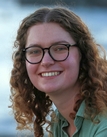
Ciara Willis MBARI, USA
Session 8 Invited Speaker
Dr. Ciara Willis (“keer-ah”) is a biological oceanographer investigating how highly migratory predators connect physical, biological, and human systems in the open ocean. Her research integrates animal tracking, biochemical tracers, and bioeconomic modelling to understand how processes spanning individual behaviour, food web dynamics, and fisheries governance shape pelagic ecosystem function and resilience. Ciara is currently a Postdoctoral Fellow at the Monterey Bay Aquarium Research Institute (MBARI), where she co-leads the development of Piscivore, a mobile autonomous platform for observing marine predators and their prey. On the other side of the Pacific, she is also an Adjunct Researcher at the University of Tasmania, assessing how recreational fisheries impact fish behaviour and stock health. Previously, Ciara was a member of the Ocean Twilight Zone project at Woods Hole Oceanographic Institution. In parallel to her ecological research, she contracts as an analyst for stakeholders across the Indian and Pacific Oceans to evaluate trade-offs among conservation, profitability, and equity goals in transboundary fisheries systems.
BIO/FIS Topic Session
Integrating ecosystem and climate into actionable science for small pelagic forage communities
Martin Huret IFREMER, DECOD
Session 9 Invited Speaker
Martin Huret is a research scientist at IFREMER, France, where he was responsible for the Fishery lab in Brest between 2022 and 2025. He is a biological oceanographer with expertise on pelagic ecosystem functioning and dynamics. He started modeling dispersal of fish early life stages, and extended his expertise in full life cycle modeling based on fish bioenergetics (DEB-IBM) coupled to hydrodynamic and biogeochemical models. He is also responsible for hydrology and egg sampling during the small pelagic survey in the Bay of Biscay, and co-chair of the ICES Working Group on Acoustic and Eggs Surveys for Small Pelagic Fish in the Northeast Atlantic (WGACEGG). Combining field data and modeling, he has investigated within several national and European projects the impact of climate change and fishing on the connectivity, life history traits and population dynamics of anchovy and sardine. He recently coordinated a national project studying the structure and dynamics of the French small pelagic social-ecological system, that is currently jeopardized by the decrease of fish quality under the impact of climate change.
MONITOR/TCODE/FUTURE/AP-UNDOS Topic Session
Using long-term ocean observations to understand ocean change and support resilient ecosystems and communities in the North Pacific
Silas Principe OBIS, France
Session 10 Invited Speaker
Silas Principe is an Associate Researcher at the Intergovernmental Oceanographic Commission (IOC-UNESCO), working at the Ocean Biodiversity Information System (OBIS), a program component of IODE. His research interests center on understanding how climate change affects ecosystems, with expertise spanning species distribution modelling, thermal biology, and ecophysiology. At OBIS, he contributed to the EU Horizon project MPA Europe, where, in collaboration with international partners, he led efforts to generate species distribution models for over 12,000 marine species in European waters to inform prioritization analyses aimed at identifying optimal locations for marine protected areas across Europe. Beyond this project, he also contributes to the development of data products and tools that support both research and policy.
FIS/MEQ/AP-UNDOS Topic Session
Approaches to Understanding Population Connectivity and Its Impacts
Steven Cadrin UMass Dartmouth, USA
Session 11 Invited Speaker
Steve Cadrin is a Professor at the University of Massachusetts School for Marine Science and Technology. Steve has a PhD in Fisheries Science from University of Rhode Island, a MS in Marine Biology from University of Massachusetts, and a BS in Marine Science from Long Island University. He has been a stock assessment scientist for decades, previously with the National Marine Fisheries Service’s Northeast Fisheries Science Center in Woods Hole, Massachusetts Marine Fisheries, and New York Department of Environmental Conservation. His accomplishments include the advancement of stock assessment methods for a wide range of invertebrate and finfish species, fishery management advice for regional, national and international fisheries, and global leadership in evaluating geographic stock structure and modeling spatially complex populations. He has chaired several regional, national and international working groups and committees and has convened workshops, symposia, and conferences for the International Council for the Exploration of the Seas, National Marine Fisheries Service, New England Fishery Management Council, American Fisheries Society and the Northeast Fish and Wildlife Conference. Steve received the American Fisheries Society’s Oscar E. Sette Award for sustained excellence in marine fishery biology, the University of Massachusetts Dartmouth’s 2021 Scholar of the Year Award, and the Joint Ocean Commission Initiative’s Excellence in Mentoring Inaugural Award. He is also Past President of the American Institute of Fisheries Research Biologists. His teaching and research agendas focus on population modeling, stock identification, fisheries management, collaborative research with fishermen, and application of advanced technologies for fishery science.
HD/MONITOR Topic Session
Transboundary Science for a Changing North Pacific Ocean
Alexa Fredston University of California, Santa Cruz, USA
Session 12 Invited Speaker
Alexa Fredston is an Assistant Professor of Ocean Sciences at the University of California, Santa Cruz, USA. She earned a Ph.D. in Environmental Science and Management at the University of California, Santa Barbara, and graduated summa cum laude with a B.A. in Ecology and Evolutionary Biology from Princeton University. Her postdoctoral research was at Rutgers University and she also previously worked for the Environmental Defense Fund on management of the US West Coast groundfish bottom trawl fishery. A quantitative ecologist, Dr. Fredston aims to understand and predict the dynamics of species over space and time, and to translate these insights into ocean management and conservation. Most of her research focuses on “species on the move” and on the dynamics of species’ range edges. A champion of open science and interdisciplinary collaboration, Dr. Fredston has played leadership roles in many working groups at the National Center for Ecological Analysis and Synthesis (NCEAS) and the Centre de Synthèse et d'Analyse sur la Biodiversité (CESAB).
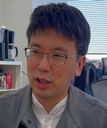
Taiki Fuji Fisheries Research Institute, Japan
Session 12 Invited Speaker
Dr. Taiki Fuji is a senior research scientist specializing in biological research at the Fisheries Resources Institute, Japan Fisheries Research and Education Agency (FRA). His research focuses on the stock biology of Pacific saury based primarily on fishery-independent surveys. His work addresses growth, maturation, migration, feeding ecology, and energy acquisition across the life history of the species. As a member of the Japanese delegation to the North Pacific Fisheries Commission (NPFC), he contributes biological information for stock assessment. He also participates annually in the Pacific saury abundance estimation survey, a key component of the species' management and assessment.
MONITOR/TCODE Topic Session
Long-term monitoring of the changing Northeast Pacific Ocean: 70 years of ocean observation at Ocean Station Papa and along Line P

Angelica Pena DFO, Fisheries and Oceans Canada, Institute of Ocean Sciences
Session 13 Invited Speaker
Angelica Peña is a Research Scientist at the Institute of Ocean Sciences, Fisheries and Oceans Canada (DFO). She received her BSc at the Universidad de Concepcion in Chile, and her MSc and PhD in Oceanography at Dalhousie University in Canada. Her scientific interest mainly focuses on biogeochemical cycles, phytoplankton ecology, and physical-biological interactions. Her research uses field observations, satellite data and numerical models to improve our understanding of the impacts of climate variability and change on ocean ecosystems. Her research involves broad interdisciplinary collaborations, covering a wide range of oceanographic processes that influence biogeochemistry, aquatic ecosystems, fisheries and climate. She has been an active participant of the Line P monitoring program since she started her career in the mid-90’s and has published numerous research articles on this multi-disciplinary time series. In PICES, she is currently a member of the BIO Committee and has been active in various past expert groups and committees such as PICES Science Board, S-CCME and WG 29 on Regional Climate Modeling.
TCODE Workshop
Bridging Global and Regional Marine Ecosystem Modelling: Connecting the Fish-MIP and PICES Communities under Fish-MIP 2.0
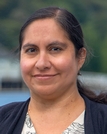
Hem Nalini Morzaria-Luna
Long Live the Kings, USA
Workshop 1 Invited Speaker
Hem Nalini Morzaria-Luna is a marine ecologist who specializes in applying modeling approaches to the study and management of marine and coastal resources. Her current work is focused on developing approaches to accelerate ecosystem modeling, and applying models to understand anthropogenic impacts, including Atlantis ecosystem models. She is originally from Mexico City. She holds an undergraduate degree from the Universidad Autónoma de Baja California Sur in La Paz, Mexico, and a Ph.D. from the University of Wisconsin-Madison, USA. She is a researcher for two non-profit organizations. Since 2005, she has been a researcher at CEDO Intercultural (cedo.org), a U.S.-Mexico bi-national organization focused on marine conservation in the Gulf of California and other Mexican marine systems. At CEDO, her research is centered on climate change impacts on the socioecological small-scale fisheries system and in the development of an Atlantis model for the Gulf of California. In 2017, she joined Long Live the Kings (www.lltk.org) as part of the Salish Sea Marine Survival project where she developed an Atlantis ecosystem model for Puget Sound. Currently, she is part of the Puget Sound Integrated Modeling Framework, which links environmental and human systems models to explore both the environmental and socio-economic impacts of potential management actions. She is a Visiting Scientist at the Northwest Fisheries Center, NOAA – National Marine Fisheries Service.
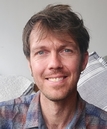
Scott Spillias
CSIRO, Australia, Australia
Workshop 1 Invited Speaker
Dr. Scott Spillias is a Research Scientist at CSIRO in Hobart, Australia, and a member of the Centre for Marine Socioecology at the University of Tasmania. With a background spanning marine ecology, mathematics, and environmental management, his research explores how artificial intelligence—and generative AI and large language models in particular—can accelerate and broaden access to the development of marine ecosystem models. His recent work ranges from automating the discovery of mechanistic ecosystem models to synthesizing ecological knowledge and classifying marine functional groups, all aimed at making ecosystem modelling faster, more transparent, and more widely usable. His earlier doctoral research examined the promise and trade-offs of seaweed farming and other emerging ocean industries, combining spatial analysis, scenario modelling, and stakeholder perspectives to understand how the blue economy might develop sustainably. Holding degrees from Duke University and the University of Queensland, Dr. Spillias is focused on the responsible integration of artificial intelligence into ecosystem science, evidence synthesis, and decision support for ocean sustainability.
BIO Workshop
Beyond boundaries: Understanding epi- and mesopelagic forage communities of the open ocean
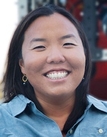
Anela Choy
Scripps Institution of Oceanography, UCSD, USA
Workshop 2 Invited Speaker
Anela Choy is a seagoing biological oceanographer and Associate Professor at Scripps Institution of Oceanography, University of California San Diego, USA. Anela leads the Deep Pelagic Food Web Ecology Lab and her group studies the diversity, distributions, and food web connections of small swimming animals that live and feed across the deep ocean water column. Anela’s group uses a range of empirical diet and biochemical tracer tools to pinpoint key food web relationships, and they specialize in quantitative sampling of animal assemblages in epipelagic and deep mesopelagic waters.
Evgeny Pakhomov
University of British Columbia, Canada
Workshop 2 Invited Speaker
Evgeny Pakhomov is a Professor in the Department of Earth, Ocean and Atmospheric Sciences and the Institute for the Oceans and Fisheries at the University of British Columbia. A graduate of the Russian Academy of Sciences, he has over 35 years of research experience as a biological/fisheries oceanographer. His research focuses on understanding feeding ecology and physical-biological interactions in marine ecosystems in order to predict climate change ecosystem effects. Dr. Pakhomov has more than 300 publications. He contributed organizationally and participated personally in two expeditions during the International Year of the Salmon, 2019-2022. He is a recipient of the Vice-Chancellor’s Distinguished Research Award, Rhodes University, South Africa; the Alexander von Humboldt Foundation Research Award, Germany; the New Opportunities Fund Award from the Canadian Fund for Innovation; and the Senior Early Career Fellowship from the Peter Wall Institute for Advanced Studies at UBC.
BIO/POC Workshop
Developing a framework for cross-community conversation between natural carbon cycle and marine carbon dioxide removal communities

Kohen Bauer
Carbon to Sea Initiative, Canada
Workshop 3 Invited Speaker
Dr. Kohen W. Bauer is the Senior Manager of Research and Technology for The Carbon to Sea Initiative. A biogeochemist by trade, Kohen previously worked as the Science Director at Ocean Networks Canada. He has led multidisciplinary research teams and managed large-scale scientific portfolios that advance climate solutions across Canada’s diverse ocean environments. His work has included designing and overseeing real-world marine carbon dioxide removal research; examining relationships between climate change and ocean deoxygenation in the geologic record; building partnerships across academia, government, industry, and communities; and translating complex science into practical programs with measurable impact. Kohen currently serves as co-lead for the BC/WA mCDR Community of Exploration (CoEx), funded by MEOPAR and is a regional representative for British Columbia as part of the California Ocean Science Trust’s Pacific Coast mCDR Collective. He holds degrees in Geology (BSc.Hons), Earth Science (MSc.) and Geological Sciences (PhD.) and contributes active research in Earth system science and chemical oceanography. Kohen lives in Victoria, BC.
Jessica Cross Pacifc Northwest National Laboratory, USA
Workshop 3 Invited Speaker
Dr. Jessica Cross is a chemical oceanographer whose research focuses ocean carbon chemistry, including marine carbon dioxide removal (mCDR). She frequently partners with local communities, private companies, and other federal agencies to implement effective CDR projects. Dr. Cross was a federal researcher at NOAA’s Pacific Marine Environmental Laboratory where she oversaw the Alaska regional carbon monitoring program founded NOAA’s Carbon Dioxide Removal Task Team, and served as the lead author of NOAA’s CDR Research Strategy. Her research has earned multiple honors and awards, including three Bronze Medals for federal service. Jessica holds a PhD in Chemical Oceanography from the University of Alaska, Fairbanks and a BS in Chemistry from Rhodes College. In her spare time, Jessica reads voraciously, hikes occasionally, and tends a small, bee-friendly garden from her home in Seattle.
Akira Iguchi National Institute of Advanced Industrial Science and Technology, Japan
Workshop 3 Invited Speaker
Akira Iguchi is the research team leader of the Natural Capital Diagnosis Technology Research Team at Integrated Research Center for Nature Positive Technology of the National Institute of Advanced Industrial Science and Technology (AIST), and concurrently serves as the research group leader of the Marine Geo-Environment Research Group within the Geological Survey of Japan, AIST. His research aims to systematically elucidate the details of the diverse phenomena woven by organisms and the environment, and to derive new discoveries and applications by examining these details from a bird’s-eye view across various scales. Currently, as a principal investigator of a JST-CREST project, his team aims to develop nature-positive decarbonization technologies that maximize the ocean’s potential by establishing a methodology for neutral comparative evaluation that goes beyond conventional NETs technologies through the refinement of detailed environmental impact assessment techniques and ocean NETs.
HD Workshop
Connections between the Arctic Gateways and the Central Arctic Ocean – Key research questions for the next 10 years
Franz Mueter University of Alaska Fairbanks, USA
Workshop 4 Invited Speaker
Dr. Franz Mueter is the President’s Professor of Quantitative Fisheries and Ecosystems at the University of Alaska Fairbanks, where he conducts research and teaches courses in quantitative ecology and fisheries management. He has over 35 years of experience working as a fisheries oceanographer, statistician, and consultant on fisheries issues in Alaska and throughout the Subarctic and Arctic. His research has focused on the influence of climate variability and climate change on the recruitment and spatial dynamics of marine and anadromous fish and shellfish populations. Dr. Mueter has participated in numerous oceanographic and fisheries surveys in the Gulf of Alaska, Bering Sea, Chukchi Sea and Beaufort Sea. He also advises the North Pacific Fishery Management Council as a member of the Council's Scientific and Statistical Committee, co-chairs the Ecosystem Studies of the Subarctic Seas (ESSAS) program, serves as contributing editor for Marine Ecology Progress Series, and is a member of the PICES section on Climate Change Effects on Marine Ecosystems (S-CCME).
FIS/POC/FUTURE/AP-UNDOS Workshop
Breaking Barriers, Building Bridges: Communication Strategies to Advance Climate-Informed Fisheries Management
Stephanie Brodie
CSIRO, Australia, Australia
Workshop 5 Invited Speaker
Steph is a marine ecologist with a wide-ranging interest in biogeography, fisheries, and climate change. Her expertise lies in utilising quantitative analyses and diverse data sets to tackle critical questions in marine conservation. Passionate about applied research, Steph is committed to understanding the impact of anthropogenic stressors on the environment and the communities that rely on them. Her work aims to contribute to sustainable solutions for preserving marine biodiversity and supporting resilient coastal communities.
MEQ/FUTURE Workshop
Toward Harmonized Plastic Pollution Indicators for the North Pacific: Data, Methods, and Action
Win Cowger Moore Institute of Plastic Pollution Research, USA
Workshop 6 Invited Speaker
I am the Executive Director at the Moore Institute for Plastic Pollution Research and a Pew-Gerstner Fellow in Ocean Plastics Research. I lead a team of 9 plastic pollution researchers and the world's only accredited nonprofit microplastics lab. Our facilities are open for public, student, private, and researcher use and exchange. My research interest is in developing new ways to open science to improve our ability to shut off plastic pollution.
MEQ/TCODE/AP-UNDOS Workshop
Weaving knowledge systems to co-design transdisciplinary and actionable solutions
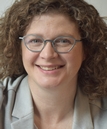
Heather Gross Treetop Initatives, Canada, Canada
Workshop 8 Invited Speaker
Heather Gross convenes important conversations and leads teams, programs and workshops that promote belonging, cohesion and productive collaboration. With experience in educational leadership, facilitation, and intergenerational programming, Heather is committed to advancing equity, belonging, and collaboration. She is a sought-after workshop leader and has supported organizations in shaping strategy, navigating transitions, and building inclusive cultures.
From 2017 to 2021, Heather served as Deputy Head and Vice President of Education and Programming at Pearson College UWC. During her 14-year tenure at Pearson, she also held the role of Director of Admissions, where she led international and Canadian student admissions processes to ensure access and representation from diverse backgrounds. She engaged extensively with international stakeholders, advocating for equity and transparency in student selection and finding ways to improve collaboration across the United World College system. In 2010, she added University Counselling to her role, guiding students from multiple educational systems in post-secondary pathways and gap year opportunities.
Heather’s global perspective on education has been shaped by her extensive travel to educational communities worldwide, and as a volunteer and a student in India and Germany, where she witnessed the transformative power of diverse learning environments. Her background also includes roles in recruitment and admissions at the University of Alberta, and in experiential education at the Royal Alberta Museum and William A. Switzer Provincial Park.
Heather is a graduate of Pearson College UWC and holds a master’s degree in Human Geography (2010). She completed a Professional Certificate in Advanced Facilitation Practices (2021), with a focus on the Art of Hosting and Liberating Structures and is a member of the International Association of Facilitators.
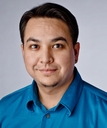
Pieter Romer Ocean Networks Canada
Workshop 8 Invited Speaker
Pieter Romer is an Indigenous ocean engagement specialist, award-winning documentary producer, director, writer and storyteller working at the intersection of Indigenous knowledge, ocean science, data and community-led research. A Nisga’a citizen of the Lax̱ibuu (Wolf/White Grizzly) Clan of Ging̱olx, Pieter has spent more than a decade building relationships between Indigenous Nations, researchers and institutions across Canada and internationally.
Through his work with Ocean Networks Canada, he has led and supported Indigenous engagement across ocean observing, climate, marine research, tsunami risk and emerging technologies. His work focuses on moving beyond consultation toward co-design, bringing Indigenous knowledge and scientific data together to create research that is locally grounded, meaningful and actionable. His documentary work includes Tsunami: 11th Relative.